|
|
 发表于 2009-1-14 09:25:53
|
显示全部楼层
发表于 2009-1-14 09:25:53
|
显示全部楼层
来自: 中国山东泰安
楼上的两位,不经过验证,不要乱说话。
: V7 U) C! L4 V7 k- C$ u/ \
! O4 g- d9 J: c& Z5 G: C解压正常:
: n7 |" u& W7 ?, ^5 v: V1 X" C) \" p2 P8 ^6 U$ k5 h
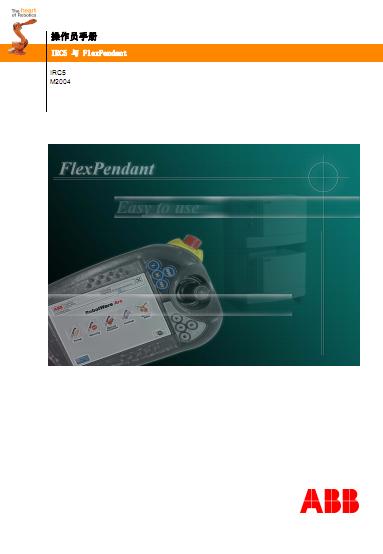
文件之一:带 FlexPendant 的 IRC5.pdf2 ^+ G; t" ~& I* Q* p4 z
- C1 a/ Z9 U* L; s0 |3 ?* s 操作员手册: d( p/ {( y- s' R- z
带 FlexPendant 的 IRC5
" ]1 t3 M9 U* k- xM2004* u: X5 b n5 G# X
雬档 ID: 3HAC 16590-10
8 j1 d% d7 \! P1 p6 E米Ι : G
# W% k# `6 g& b! z; a
9 |: Y( a+ M, ?& T0 j; `目表" K& D$ z3 I q0 s% B- B
概述 . . . . . . . . . . . . . . . . . . . . . . . . . . . . . . . . . . . . . . . . 96 n6 k* k% I6 X$ g/ @' N
产品文档, M2004 . . . . . . . . . . . . . . . . . . . . . . . . . . . . . . . . . 11
; T! j5 |$ V, O. q6 O3 N- A1 安全 13, x* ]5 K' M) e( E5 @
1.1 关于本章 . . . . . . . . . . . . . . . . . . . . . . . . . . . . . . . . . . . . 13
; h; d$ D3 Q8 m7 a; P; c6 K1.2 IRC5 的应用安全标准 . . . . . . . . . . . . . . . . . . . . . . . . . . . . . . 14
4 p& X+ c$ h. e1.3 安全术语 . . . . . . . . . . . . . . . . . . . . . . . . . . . . . . . . . . . . . . . . 15
6 u i, o: x2 a3 g1.3.1 安全标志,概述 . . . . . . . . . . . . . . . . . . . . . . . . . . . . . . 15
9 O" ~8 W$ }* {2 d3 \9 w1.3.2 危险 . . . . . . . . . . . . . . . . . . . . . . . . . . . . . . . . . . . . . . . 17
0 _! c. @+ p4 b( V7 e, D% c1.3.2.1 危险-确保总电源已经关闭!. . . . . . . . . . . . . . . . . . . . . 17$ o6 Q; i2 K k) ~
1.3.2.2 危险-移动操纵器可能产生致命性后果!. . . . . . . . . . . . . . . . 18
6 f- _; r7 ?6 [& V$ d- B1.3.2.3 危险-没有轴制动闸的操纵器可能产生危险! . . . . . . . . . . . . . 19% A1 p, o* j% u4 w9 G# `3 s* K8 e
1.3.3 警告 . . . . . . . . . . . . . . . . . . . . . . . . . . . . . . . . . . . . . . . 20
5 `% g" `4 { R2 ~3 J/ W3 i1.3.3.1 警告-该单元易受静电影响! . . . . . . . . . . . . . . . . . . . . 20
) o3 [ `8 x2 ~1.3.4 什么是紧急停止? . . . . . . . . . . . . . . . . . . . . . . . . . . . . . 21
# x4 | O; o* l1.3.5 什么是安全停止? . . . . . . . . . . . . . . . . . . . . . . . . . . . . . 22; A0 b- Z8 x& c+ c1 [( j
1.3.6 什么是安全保护? . . . . . . . . . . . . . . . . . . . . . . . . . . . . . 23 e& E" {6 U6 A3 ]
1.3.7 使动装置和止-动功能 . . . . . . . . . . . . . . . . . . . . . . . . . . . 24
( \0 |& t5 @$ s& l: B/ D- A |1 }1.4 如何处理紧急情况 . . . . . . . . . . . . . . . . . . . . . . . . . . . . . . . . . . . . 253 W- X8 M1 P5 |$ h( }0 U$ m4 F" f
1.4.1 停止系统 . . . . . . . . . . . . . . . . . . . . . . . . . . . . . . . . . 25
, l( N) k: W1 `3 r# o, P1.4.2 释放机器人制动闸 . . . . . . . . . . . . . . . . . . . . . . . . . . . . . 27# V* `! L# e+ m8 X& p+ n q7 z# Z' `
1.4.3 灭火 . . . . . . . . . . . . . . . . . . . . . . . . . . . . . . . . . . . 28, G9 j& f% k( y4 t) z" y
1.4.4 从紧急停止状态恢复 . . . . . . . . . . . . . . . . . . . . . . . . . . . . 29
& W. W0 F% V" I+ g+ J1.4.5 返回到编程路径 . . . . . . . . . . . . . . . . . . . . . . . . . . . . . . 30
3 T- g6 @( F T) u* J% d; s1.5 工作中的安全事项 . . . . . . . . . . . . . . . . . . . . . . . . . . . . . . . . . . . . 311 c' Z. ^* E- P# h9 i+ a3 W
1.5.1 概述 . . . . . . . . . . . . . . . . . . . . . . . . . . . . . . . . . . . 31
1 {- @ S: h/ |( o, ?1.5.2 自身安全 . . . . . . . . . . . . . . . . . . . . . . . . . . . . . . . . . 32) y; e5 i2 H2 V
1.5.3 注意 - FlexPendant 的处置 . . . . . . . . . . . . . . . . . . . . . . . . . . 33
* G' P- v) h& z/ I' |* M5 B( b9 w1.5.4 安全工具 . . . . . . . . . . . . . . . . . . . . . . . . . . . . . . . . . 34$ o: v1 b R8 J2 l+ G0 @0 }
1.5.5 手动减速模式和手动全速模式下的安全性 . . . . . . . . . . . . . . . . . . . 35& N2 G! G b* ]& a7 M
1.5.6 自动模式下的安全性 . . . . . . . . . . . . . . . . . . . . . . . . . . . . 36
: ?! B8 P; ~& c/ V2 欢迎使用 FlexPendant 37
# x/ ]# R9 G# p( f3 x* ^6 ]) j2.1 关于本章 . . . . . . . . . . . . . . . . . . . . . . . . . . . . . . . . . . . . 37
- R- R9 X$ @3 J/ Q4 N4 l2.2 FlexPendant 简介 . . . . . . . . . . . . . . . . . . . . . . . . . . . . . . . . 38( c+ X: i' w( z. J7 W
2.3 IRC5 控制器简介 . . . . . . . . . . . . . . . . . . . . . . . . . . . . . . . . 431 m: N- |" B* T% k) H
2.4 RobotStudioOnline 简介 . . . . . . . . . . . . . . . . . . . . . . . . . . . . . . 44' g+ x N5 S7 x) o# b# }' u
2.5 何时使用 FlexPendant 和 RobotStudio Online . . . . . . . . . . . . . . . . . . . . 45
4 c' R+ I6 e6 \: S; r$ ]. G2.6 控制器上的按钮和端口 . . . . . . . . . . . . . . . . . . . . . . . . . . . . . 47
& j E7 B3 {% h6 Z& q3 入门指南 49% v% ]8 T! o& R
3.1 关于本章 . . . . . . . . . . . . . . . . . . . . . . . . . . . . . . . . . . . . 49
% u' J! O6 F! d8 Z& ]3.2 连接 . . . . . . . . . . . . . . . . . . . . . . . . . . . . . . . . . . . . . . . . . . 50
! T2 C" U. O2 w0 A4 q: C3.2.1 连接 FlexPendant . . . . . . . . . . . . . . . . . . . . . . . . . . . . . . 50' C* n# H" A/ c! n5 Q, J9 _& z
3.2.2 断开 FlexPendant . . . . . . . . . . . . . . . . . . . . . . . . . . . . . . 51
7 q( v3 S' ^8 O. G. A/ R' `/ R3.2.3 将 PC 机连接到服务端口 . . . . . . . . . . . . . . . . . . . . . . . . . . 52
: k1 V3 m. F$ C7 P: j3.2.4 设置网络连接 . . . . . . . . . . . . . . . . . . . . . . . . . . . . . . 556 k# J* B, s1 ]1 Y3 [$ q0 I
3.3 动作场景 . . . . . . . . . . . . . . . . . . . . . . . . . . . . . . . . . . . . . . . . 56
! d# n7 `) M! S- v' k; l4 ~3.3.1 关于动作场景 . . . . . . . . . . . . . . . . . . . . . . . . . . . . . . . 56
& j! a9 p, ?3 u$ Q' D$ h3.3.2 系统启动 . . . . . . . . . . . . . . . . . . . . . . . . . . . . . . . . . 57
& V5 Z% V0 E9 T+ z5 e& |3.3.3 微动控制 . . . . . . . . . . . . . . . . . . . . . . . . . . . . . . . . . 59. ?" ]$ j. N k0 U# z! k+ C0 Z
3.3.4 使用 RAPID 程序 . . . . . . . . . . . . . . . . . . . . . . . . . . . . . 60
5 }3 c) i- [1 j3.3.5 使用输入和输出 . . . . . . . . . . . . . . . . . . . . . . . . . . . . . . 61" T( v$ K" w$ f# ~: G3 D! d
2 I5 i/ t8 |: C5 o; l; ?( l) e
3.3.6 备份和恢复 . . . . . . . . . . . . . . . . . . . . . . . . . . . . . . . . . 62
* {) a" i( B- t- f0 h4 v4 W3.3.7 在生产模式下运行 . . . . . . . . . . . . . . . . . . . . . . . . . . . . . 63
: j/ b3 k( ]$ I& Y3.3.8 授权对 RobotStudio Online . . . . . . . . . . . . . . . . . . . . . . . . . . 64' g) Q! U7 V) z- ? m
3.3.9 升级 . . . . . . . . . . . . . . . . . . . . . . . . . . . . . . . . . . . 65
$ x( g; Z% G. C$ ^: Q5 d% V1 m3.3.10 安装软件选项 . . . . . . . . . . . . . . . . . . . . . . . . . . . . . . . 66
7 j$ Y. B( P+ V3.3.11 关闭 . . . . . . . . . . . . . . . . . . . . . . . . . . . . . . . . . . . 67
5 n, X1 N; x Q9 Q3.3.12 故障排除的常规步骤 . . . . . . . . . . . . . . . . . . . . . . . . . . . . 68
# ~* J8 _7 H$ O& ?4 使用 FlexPendant 高效运作 69
9 {' k Q+ I& i3 j! d2 S x4.1 关于本章 . . . . . . . . . . . . . . . . . . . . . . . . . . . . . . . . . . . . 69
( g# \+ X; \( V m7 z$ f4.2 概述,个性化 FlexPendant. . . . . . . . . . . . . . . . . . . . . . . . . . . . . 70
0 G0 s# O4 z! M- A ]0 N4.3 ABB 菜单 . . . . . . . . . . . . . . . . . . . . . . . . . . . . . . . . . . . . . . . . 71
! O, i8 _# o) c: v1 b3 x4 A% {( s3 R4.3.1 HotEdit 菜单 . . . . . . . . . . . . . . . . . . . . . . . . . . . . . . . . 71& L) f9 p( [( O
4.3.2 FlexPendant 资源管理器 . . . . . . . . . . . . . . . . . . . . . . . . . . . 73" o/ o4 R9 ~$ P- j
4.3.3 输入和输出, I/O . . . . . . . . . . . . . . . . . . . . . . . . . . . . . . 747 s* e7 V. P( `, Y8 x
4.3.4 微动控制 . . . . . . . . . . . . . . . . . . . . . . . . . . . . . . . . . . 75' u. ?# I+ ^4 ?$ t
4.3.5 运行时窗口 . . . . . . . . . . . . . . . . . . . . . . . . . . . . . . . . . 77& t! U6 ]: L! J5 {+ _
4.3.6 程序数据 . . . . . . . . . . . . . . . . . . . . . . . . . . . . . . . . . . 78
- z( a9 S! y# w% P4.3.7 程序编辑器 . . . . . . . . . . . . . . . . . . . . . . . . . . . . . . . . . 80
& S2 d& f; o& y0 \* l" ?5 p4.3.8 备份与恢复 . . . . . . . . . . . . . . . . . . . . . . . . . . . . . . . . . 81
- [( z# t# ^: w0 ^4.3.9 校准 . . . . . . . . . . . . . . . . . . . . . . . . . . . . . . . . . . . 82
3 X W2 k* }. B4.3.10 控制面板 . . . . . . . . . . . . . . . . . . . . . . . . . . . . . . . . . 84
7 ^! l& K: v2 O/ H8 Q% ?4.3.11 事件日志菜单 . . . . . . . . . . . . . . . . . . . . . . . . . . . . . . . 857 K' z3 q' X2 \4 M* @
4.3.12 系统信息 . . . . . . . . . . . . . . . . . . . . . . . . . . . . . . . . . 87
V$ c1 p1 w* k6 O: |4.3.13 重新启动 . . . . . . . . . . . . . . . . . . . . . . . . . . . . . . . . . 881 W& {/ J: ?$ Z; w/ r* x
4.3.14 注销 . . . . . . . . . . . . . . . . . . . . . . . . . . . . . . . . . . . 89
( w) X" t( F0 Q( F4.4 操作员窗口 . . . . . . . . . . . . . . . . . . . . . . . . . . . . . . . . . . . . . . . . 90# p* g1 u% u/ M( U- M6 L7 H
4.4.1 操作员窗口 . . . . . . . . . . . . . . . . . . . . . . . . . . . . . . . . 90: ]( O* N1 M" R
4.5 状态栏 . . . . . . . . . . . . . . . . . . . . . . . . . . . . . . . . . . . . . . . . . . 91( u U- D Q1 ^8 e) z- l" P
4.5.1 状态栏 . . . . . . . . . . . . . . . . . . . . . . . . . . . . . . . . . . 915 _. k/ y0 ]9 r. H% f
4.6 "快速设置 "菜单 . . . . . . . . . . . . . . . . . . . . . . . . . . . . . . . . . . . . . 92
5 }; W% `$ F; p; n4.6.1 " 快速设置 " 菜单 . . . . . . . . . . . . . . . . . . . . . . . . . . . . . . 92
6 U, R2 y8 r F/ }4 d$ A9 h4.7 基本步骤 . . . . . . . . . . . . . . . . . . . . . . . . . . . . . . . . . . . . . . . . 93
7 Q# ^/ Z7 X {9 X4.7.1 使用软键盘 . . . . . . . . . . . . . . . . . . . . . . . . . . . . . . . . 93
7 ~ f* F4 b+ v$ `8 ]7 ]$ W- J4.7.2 FlexPendant 上的消息 . . . . . . . . . . . . . . . . . . . . . . . . . . . . 94
: Q. ^: ]9 J( Y1 F6 U4.7.3 在 FlexPendant 上滚动和缩放 . . . . . . . . . . . . . . . . . . . . . . . . . 95
2 @* ^8 g" n. ^: p2 k8 x4.7.4 过滤数据 . . . . . . . . . . . . . . . . . . . . . . . . . . . . . . . . . 96' R$ H# r- J' `7 V. a) w: u
4.7.5 处理程序 . . . . . . . . . . . . . . . . . . . . . . . . . . . . . . . . . 98
! p& b; p8 U: o/ g( [2 I2 x) Z, y4.7.6 如何登录和注销 . . . . . . . . . . . . . . . . . . . . . . . . . . . . . . 99. I' c# p% z4 x
5 微动控制 101 p; d, m- R" U, D$ T- p) o
5.1 微动控制简介 . . . . . . . . . . . . . . . . . . . . . . . . . . . . . . . . . .101
0 a5 t5 ~' A" B* t; M5.2 微动控制概念 . . . . . . . . . . . . . . . . . . . . . . . . . . . . . . . . . . . . . 102
! U) `% b! e! W) A* a0 ]5.2.1 微动控制的限制 . . . . . . . . . . . . . . . . . . . . . . . . . . . . . .102
- {. ~( d* [7 X3 @( D5.2.2 协调微动控制 . . . . . . . . . . . . . . . . . . . . . . . . . . . . . . .1039 F7 d% H( g/ m+ j4 J7 Q; G
5.3 微动控制基本设置 . . . . . . . . . . . . . . . . . . . . . . . . . . . . . . . . . . . 1045 b4 l5 C& |6 p A) Q0 }" v
5.3.1 选择机械单元 . . . . . . . . . . . . . . . . . . . . . . . . . . . . . . .104
( u' ?7 M; W: j# J; N% ^5.3.2 选择动作模式 . . . . . . . . . . . . . . . . . . . . . . . . . . . . . . .106, v5 |# O! S2 c5 _5 d; C
5.3.3 选择工具、工件和有效载荷 . . . . . . . . . . . . . . . . . . . . . . . .1077 h5 o6 U& i* n4 q# O' d1 L
5.3.4 设置工具方向 . . . . . . . . . . . . . . . . . . . . . . . . . . . . . . .1088 q6 F" E& v! W, _& G9 r. C
5.3.5 逐轴微动控制 . . . . . . . . . . . . . . . . . . . . . . . . . . . . . . .109# f/ \: p, i( b5 z
5.3.6 以基坐标进行微动控制 . . . . . . . . . . . . . . . . . . . . . . . . . . .111
, H- S9 B5 i. y8 q& {3 {5.3.7 以大地坐标进行微动控制 . . . . . . . . . . . . . . . . . . . . . . . . . .1125 d5 }- M( N6 }) [0 t3 [: J
9 d k0 Y7 q+ K/ y1 K
。。。。。 |
-
|


 [复制链接]